Site Announcement
Sign up today and receive company updates straight to your inbox
Sign up today and receive company updates straight to your inbox
We're proud to be building Deep Fission's first demonstration of the Gravity™ Nuclear Reactor right here in Parsons. We believe that when Deep Fission wins, Parsons wins as well—through local jobs, new investment, and opportunity that stays close to home. Explore this page for updates from the field, answers to common questions, and the many ways to participate, be heard, and stay involved in the months and years ahead.
Non-nuclear prototype reactor canister successfully fabricated and tested
The Deep Fission team has successfully fabricated, tested and received at our Parsons project site, our first prototype reactor canister, achieving an important milestone on our path toward deployment. The testing confirmed that the canister meets key industry requirements for structural integrity and leak tightness.
“The arrival of our prototype reactor canister at the Kansas site is a clear step forward in moving from design to deployed infrastructure. Upcoming testing using this hardware will validate our approach and provide valuable learnings as we assemble, install and test key systems under non-nuclear conditions in our large diameter borehole.
—Mark Pérès
Chief Nuclear Officer of Deep Fission
Preparation for our non-nuclear demonstration borehole
With our reactor canister on site, and ground preparations complete for our second test well, we are targeting Q3 of 2026 to begin drilling our ~2,500 foot deep commercial proof of concept borehole. This non-nuclear well is intended to test borehole thermal behavior and to demonstrate deep deployment (~2,500 ft) of major components, including lowering a prototype reactor underground to help validate key aspects of our deployment approach ahead of future project phases.
Overview: The first phase of Deep Fission's phased deployment plan focuses on engineering validation and proof-of-concept wells, which will be used to gather real-world subsurface data and validate the deep-borehole reactor design.
Status: In Progress, Targeting 2026-2027
Completed Steps:
Next Step:
Oversight:
Overview: Deep Fission plans to construct and operate its pilot demonstration reactor under DOE authorization while, in parallel, applying to the U.S. Nuclear Regulatory Commission (NRC) for a commercial operating license to convert the same pilot reactor to commercial operation.
Status: In Progress, Targeting 2027
Completed:
Next Steps:
Oversight:
Overview: The third phase of Deep Fission's commercial deployment plan focuses on scaling energy production at the project site through multiple reactors in clustered boreholes.
Status: Targeting 2027-2028
Completed:
Next Step:
Oversight:
Deep Fission is committed to open, transparent engagement with the Parsons community throughout construction and operation of its nuclear energy facility. The Community Advisory Group (CAG) has been formed to provide a consistent forum for two-way communication between Deep Fission and local community representatives, focused on sharing information, listening to community perspectives, and building mutual understanding.
The group’s objective is to support informed, respectful dialogue on project progress, safety, environmental stewardship, construction activities, and operations. It does not replace regulatory oversight, nor does it serve as a decision-making or advocacy body. Participation requires no technical expertise—just a willingness to engage, listen, and contribute.
Contact us to learn more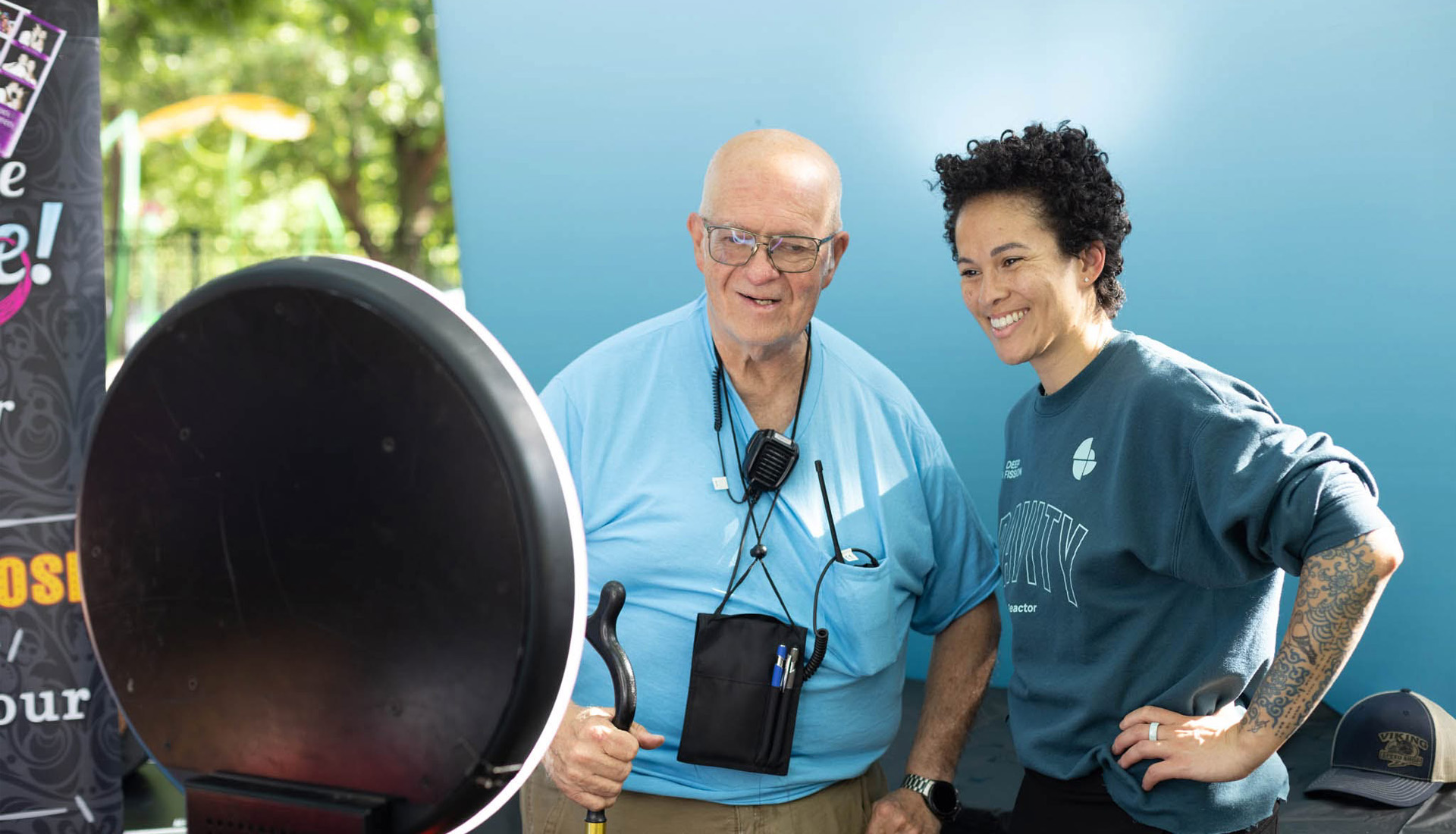
Deep Fission is committed to being a good neighbor in Parsons. Beyond positive impact from the project itself, we’re eager to find more ways to show up and make a difference for this community we’re proud to be a part of—including participating in local events, supporting impactful organizations and promoting education initiatives.
Have a cause or event where you’d love to see Deep Fission involved? Please contact tara.mays@deepfission.com.
Past Partnerships: Katy Days, Parsons Babe Ruth July 4th Tournament, Care Cupboard
Time Tested Technologies for Future Energy Needs
Deep Fission was one of ten companies selected to participate in the U.S. Department of Energy's Reactor Pilot Program. As part of the Pilot Program and subject to DOE authorization, we intend to demonstrate the Gravity Nuclear Reactor at our site in the Great Plains Industrial Park. [1]
The Gravity Nuclear Reactor design will combine three well-established technologies in a new way:
Each of these technologies is proven on its own. Our innovation is bringing them together in a deep underground environment with the goal of reducing reliance on surface infrastructure, supporting faster deployment timelines, improving security, enhancing safety, and lowering costs. By building on what already works, we are prioritizing deployment over invention. [2]
G1 Data Acquisition Well Complete
As of June 2026, Deep Fission has completed drilling of its data acquisition well to a depth of approximately 6,000 feet. This well will provide critical geological, hydrological, and thermal data to inform engineering design, safety analysis, and regulatory planning for our Gravity Reactor technology.
We have also finished ground preparations for our second test well and brought in additional trailers to support the needs of our construction and field teams as work on-site has expanded.
The second well is intended to test borehole thermal behavior and to demonstrate deep deployment (~2,500 ft) of major components, including lowering a prototype reactor underground to help validate key aspects of our deployment approach.
We believe this next phase will play an important role in advancing site characterization and development efforts as we continue progressing toward deployment of our one-mile-deep nuclear energy systems.
A Successful DOE Pilot Is a Win for Parsons
The DOE reactor pilot is a single demonstration reactor in a single borehole. Anything beyond that single reactor depends on how the pilot performs and on further regulatory approval.
For commercial operation, we intend to apply for a commercial license with the Nuclear Regulatory Commission (NRC) — the independent federal agency responsible for ensuring the safety and security of civilian nuclear facilities in the United States. We have been engaging with the NRC since May 2024 in a pre-application process, and the current schedule targets as early as 2027 to seek high-volume commercial licensing with the NRC. [5]
Any commercial expansion at the Great Plains Industrial Park would be a separate, publicly visible decision and would proceed only after the pilot phase has demonstrated the safety case and after the required federal and local approvals are in place.
A Clear Governance Framework in Kansas
Kansas law today requires that power generated by commercial energy projects be sold to a regulated utility, which then delivers electricity to customers across its service territory. The rules governing how power is sold are set by the Kansas Corporation Commission (KCC).
Kansas also has rules in place that are specifically designed to keep large customers from shifting costs onto residential bills. In November 2025, the KCC approved the Large Load Power Service (LLPS) rate plan, which requires customers above 75 megawatts (data centers, large industrial loads) to pay for their own grid upgrades, pay up to 20% above standard rates, and meet a minimum bill at 80% of contract demand. [6]
Stepping back, the Southwest Power Pool region, which includes Kansas, is approaching a tight period for generating capacity, with capacity above peak load forecast to fall from about 20.7% in 2025 to roughly 1.9% by 2029 absent new generation. Adding firm, round-the-clock power inside that footprint can support the kind of economic development that brings investment, jobs, and new industry to communities like Parsons. [7]
Oversight at Each Step of the Process
Deep Fission is subject to layered federal and state oversight. The pilot at GPIP operates under U.S. Department of Energy authorization through the Reactor Pilot Program, established under Executive Order 14300 (May 23, 2025). Any commercial reactor at the site requires a separate Nuclear Regulatory Commission (NRC) commercial license; we have been engaging with the NRC since May 2024 under a documented Regulatory Engagement Plan. At the state level, the Kansas Department of Health and Environment (KDHE) oversees water, air, and waste permitting that apply to the project. Every step of the DOE, NRC, and KDHE review processes is subject to documented public visibility. [1] [5]
Our design utilizes pressurized water reactors, a mature technology that makes up roughly 70% of the world's operating commercial reactor fleet today. The U.S. commercial nuclear fleet—predominantly PWRs—has operated since 1957 without a single radiation-related public fatality.
The reactor’s emplacement a mile underground is designed to strengthen the safety case. The surrounding rock provides natural shielding between the reactor and the surface. The mile-tall column of water above the reactor is intended to make the pressure inside the reactor canister nearly equal to the pressure of the water outside it—mitigating risk from the traditional "loss of coolant" accident that drives much of nuclear risk planning at surface plants. And the same water column provides a passive supply for emergency cooling. [2]
Three Layers of Protection
Three layers of protection sit between the reactor and any water at the surface.
According to the Kansas Geological Survey and the U.S. Geological Survey, freshwater aquifers in this part of southeast Kansas generally do not extend deeper than about 1,000 feet below ground. [9] [10]
The reactor itself uses water inside a closed-loop system. The full volume of the closed loop is roughly 350,000 gallons — about one-quarter of what the City of Parsons consumes in a single day.
Surrounding groundwater conditions will be monitored continuously to confirm that water quality is being protected, a regulatory commitment under both the DOE pilot authorization and the NRC commercial licensing pathway. [11]
Safe and Secure Options in Accordance with NRC rules
Like every nuclear reactor, the Gravity Reactor will produce used nuclear fuel that has to be stored and ultimately disposed of in accordance with applicable laws and regulations. [8]
Depending on the long-term disposal pathway, this may require interim on-site storage, transportation, and coordination with governmental authorities or third-party service providers. Our deployment model currently anticipates safe interim storage, pending identification of national, long-term storage solutions. The management and disposition of used nuclear fuel will be conducted in compliance with applicable laws and regulations.
Contact Deep Fission for any questions or to learn more. We value your input and are here to help.
General, Community Inquiries Email:
community@deepfission.com
Tara Mays, Community Stakeholder Lead:
tara.mays@deepfission.com
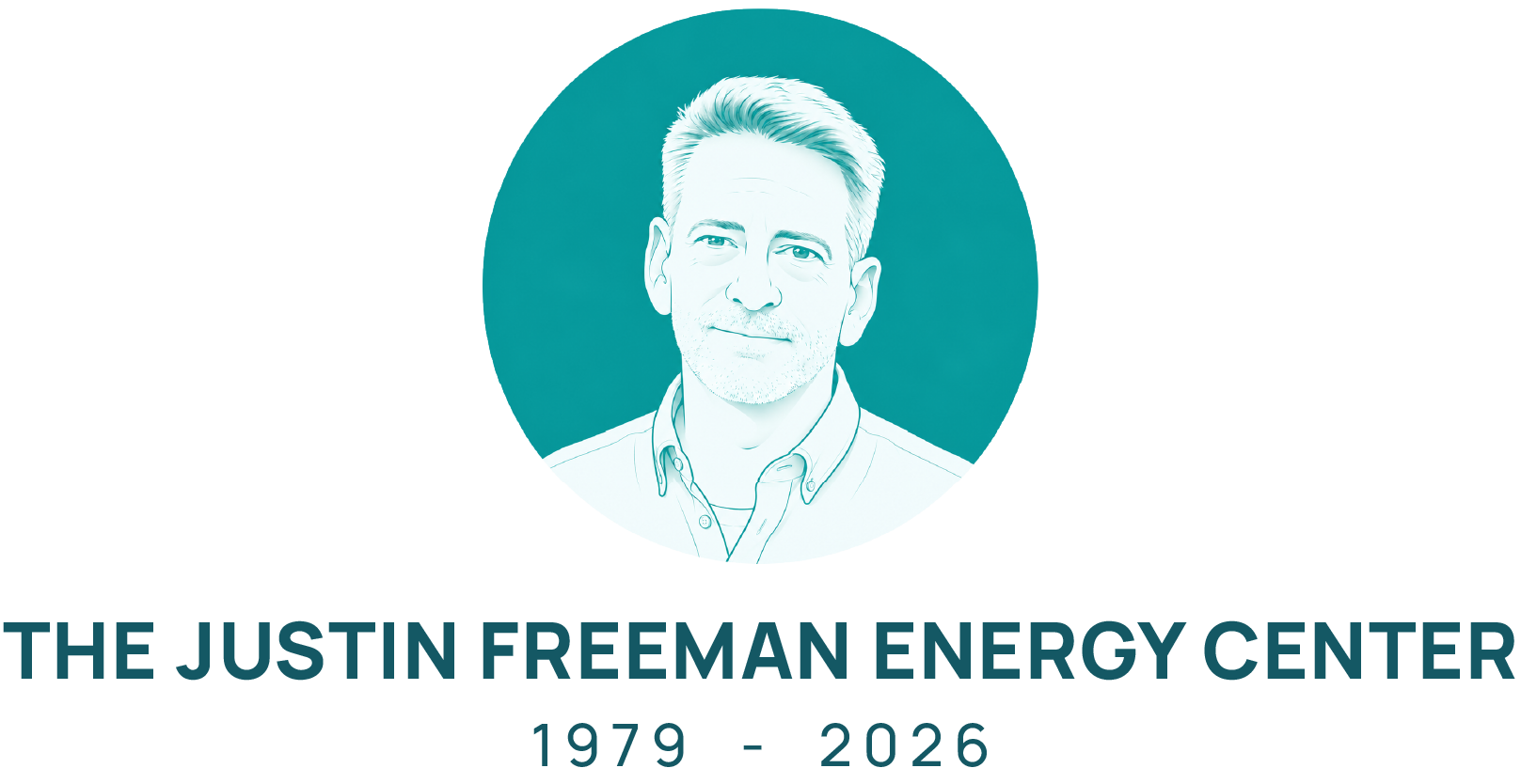
Deep Fission has designated its pilot project in Parsons, Kansas, as the Justin Freeman Energy Center in recognition of Justin Freeman’s instrumental role in the design and development of the Gravity™ Nuclear Reactor.